
How to Grill Without a Grate
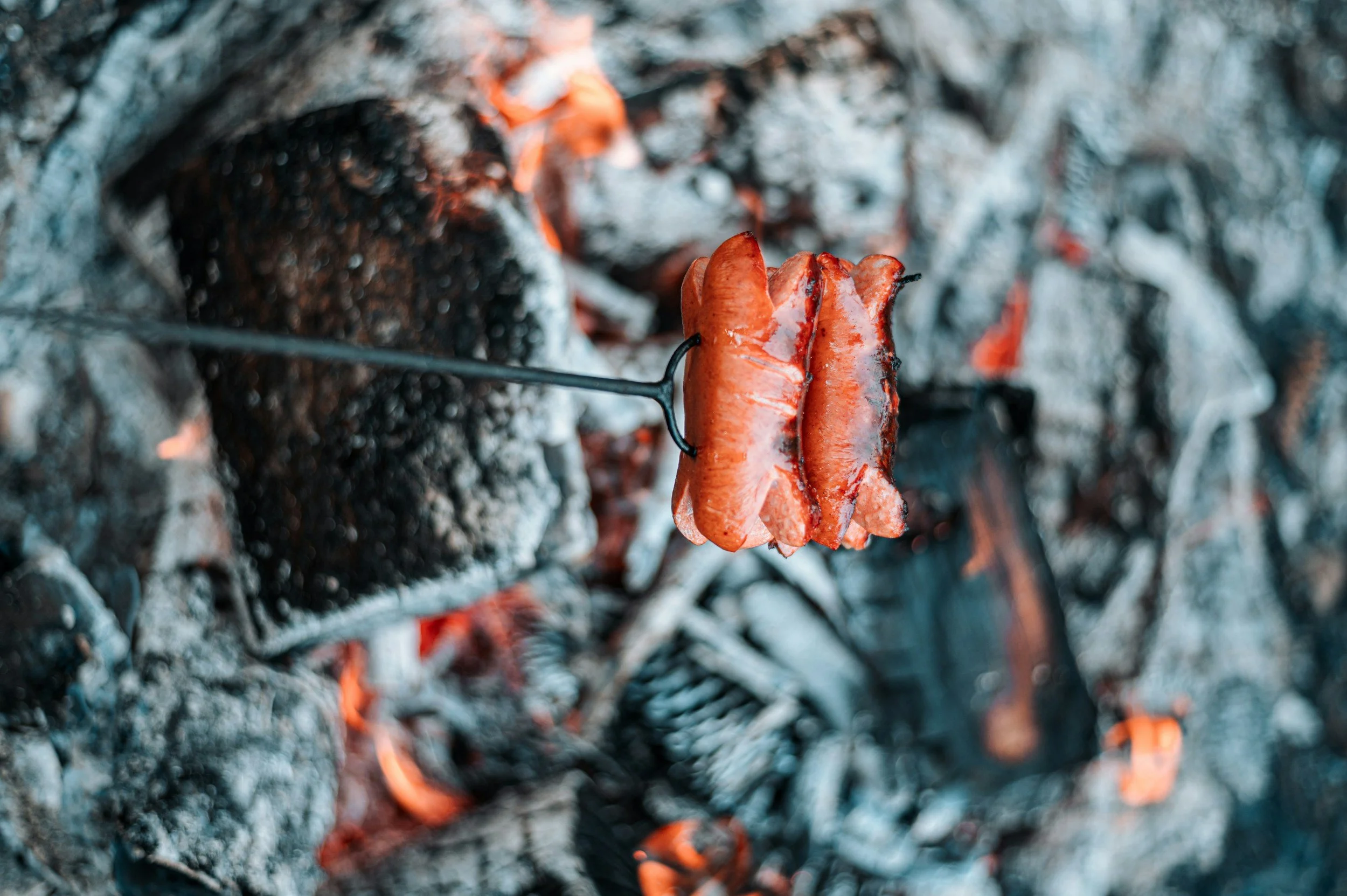
Grilling feels like freedom. Fire, food, and fresh air do most of the work. But what happens when you lift the lid and realize the grate is missing, broken, rusted through due to improper maintenance, or just not there? The good news is this. You can still grill, even without a replacement. In fact, people cooked over open fire long before shiny metal grates were a thing. With a little creativity and common sense, you can make great food without one.
This article shows how to grill without a grate in ways that are safe, fun, and full of flavor. You do not need fancy gear or special tools. You just need heat, patience, and a willingness to try something new.
Grilling Without a Grate Isn’t Crazy
A grill grate is helpful, but it is not magic. Its job is to hold food above heat and let air move around it. You can do that in other ways. Campers, hunters, and backyard cooks have done this for generations. They used stones, sticks, pans, and foil. Some of those old methods even add better flavor than a modern grill.
Sometimes the grate breaks right before a cookout. Sometimes it falls into the coals. Sometimes you are cooking over a fire pit or a pile of charcoal with no grill at all. Instead of giving up or ordering pizza, you can adapt. That skill makes you a better cook.
Safety Comes First Every Time
Before we get creative, we need to talk about safety. Fire is useful, but it does not forgive mistakes.
Use thick gloves or long tools when working near heat. Make sure anything you put over the fire can handle high temperatures. Avoid painted metal, plastic, or treated wood. If you are not sure what something is made of, do not use it.
Keep water or a fire extinguisher nearby. Never leave an open fire alone. And remember that hot metal and stones can stay hot long after the flames die down.
Once you respect the heat, you can have a lot of fun.
Cooking Directly on Coals
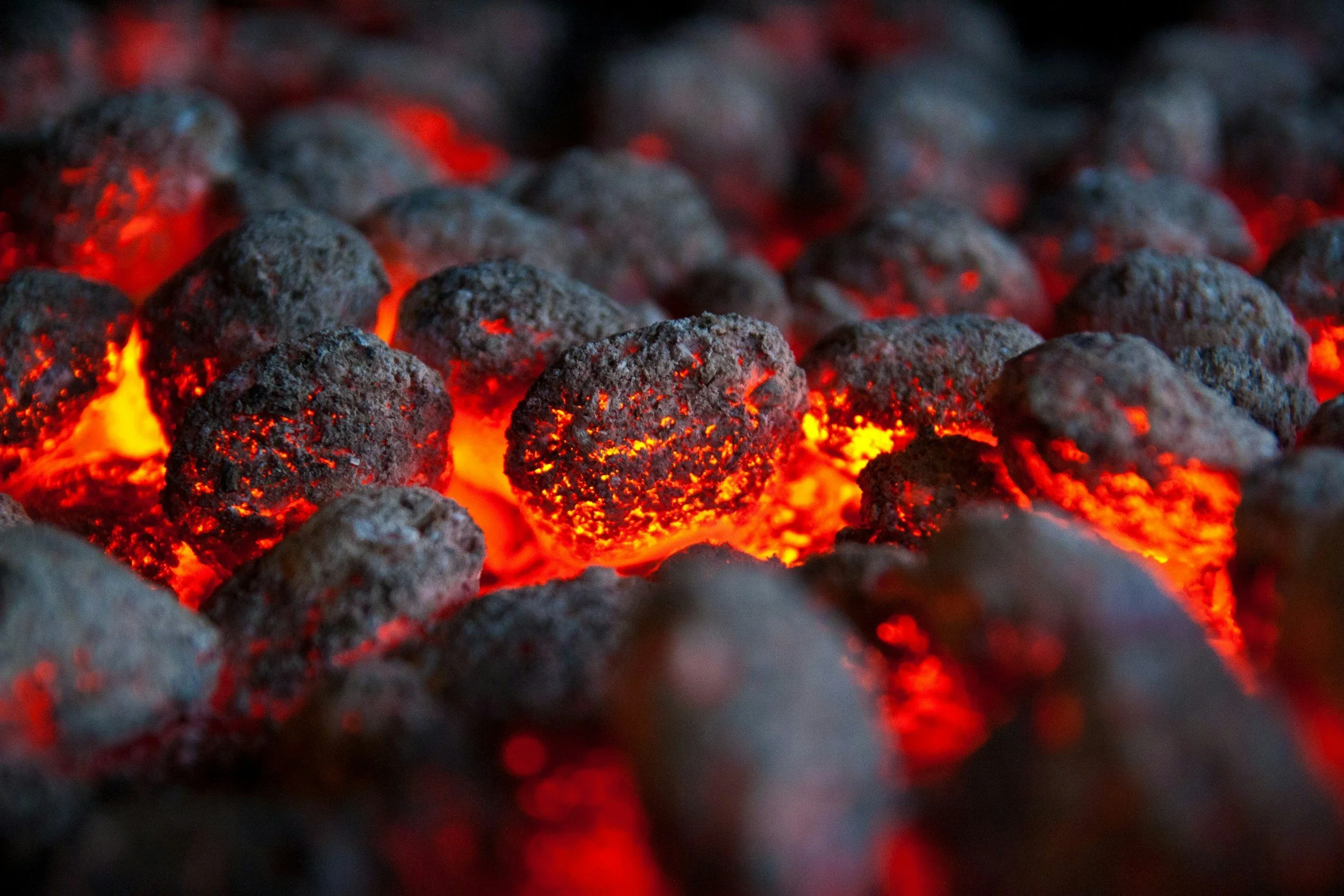
This method surprises people the most, but it works. You can cook certain foods right on hot coals. This works best with foods that have a natural skin or peel.
Think of corn in the husk, whole onions, sweet potatoes, and thick carrots. You place them directly on the coals and let the outside burn. Inside, the food steams and roasts at the same time.
When the outside is black and soft, you pull the food out and peel away the burned layer. What is left is smoky, sweet, and tender. Corn cooked this way tastes like summer itself.
You can also do this with meat if you wrap it first. Wrap fish or meat tightly in foil with a little oil and seasoning. Place the packet on the coals and turn it once or twice. The foil acts like a shield and keeps ash out.
You’ll need to know how much charcoal to use, of course, but in most cases you should be fine.
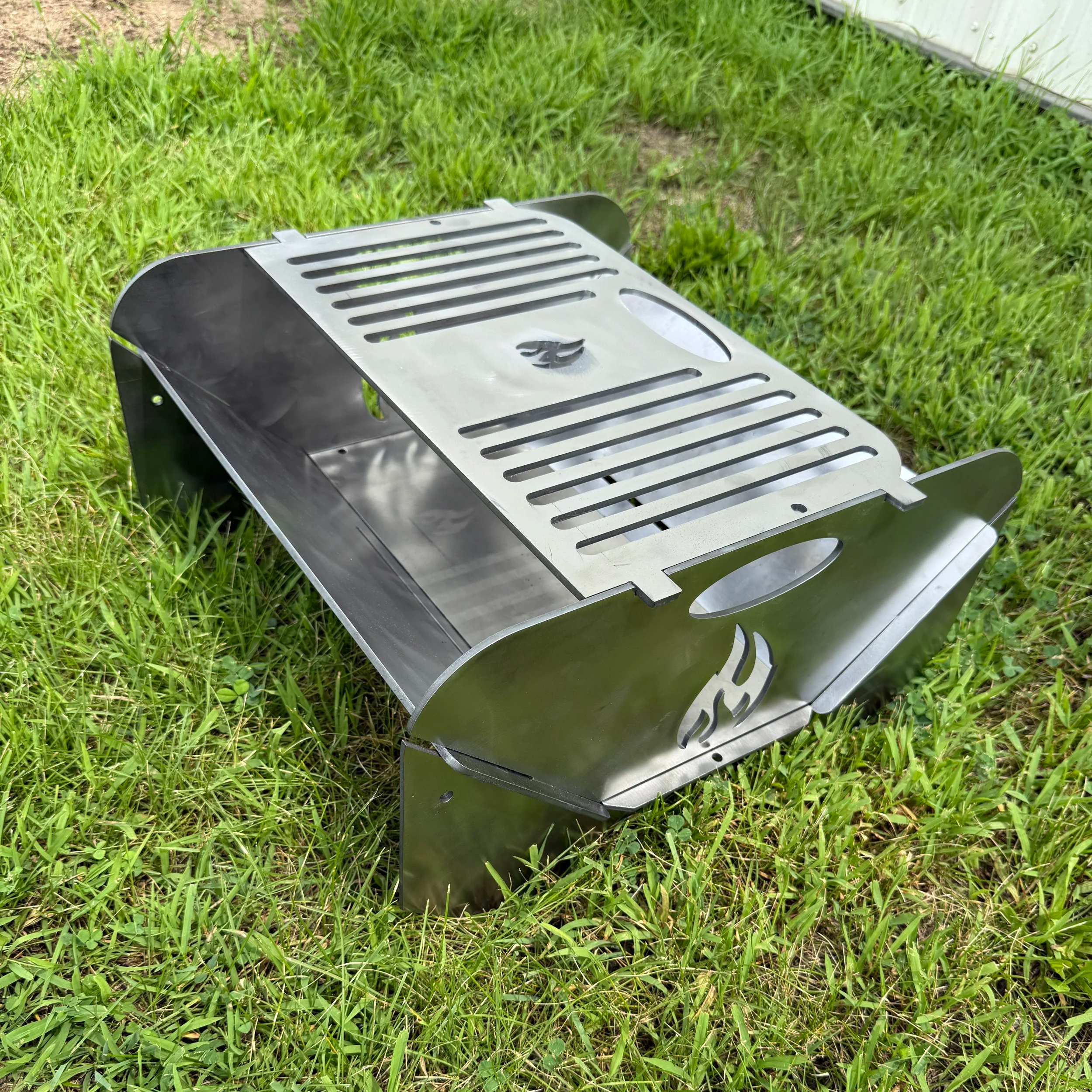
Heavy Duty Foil
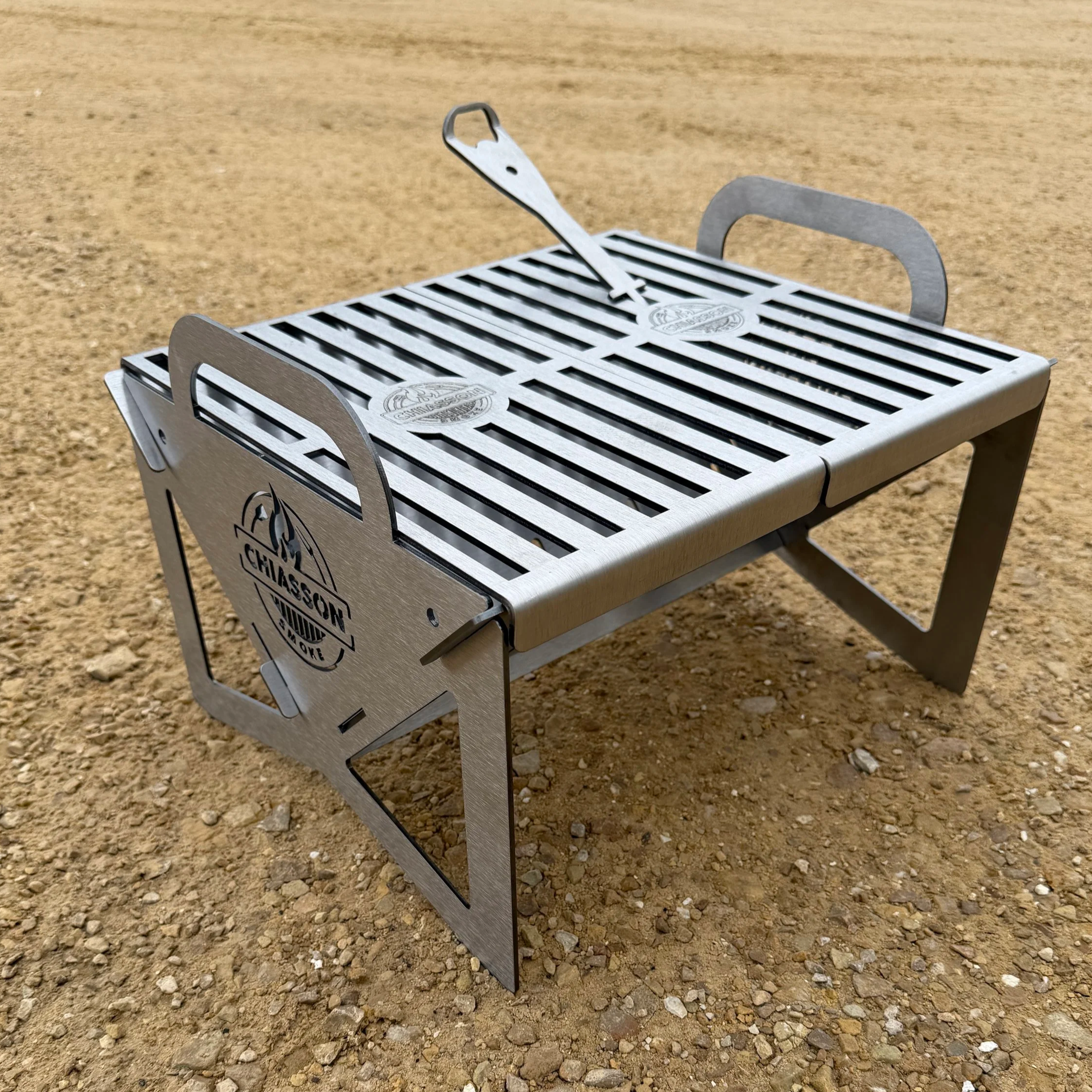
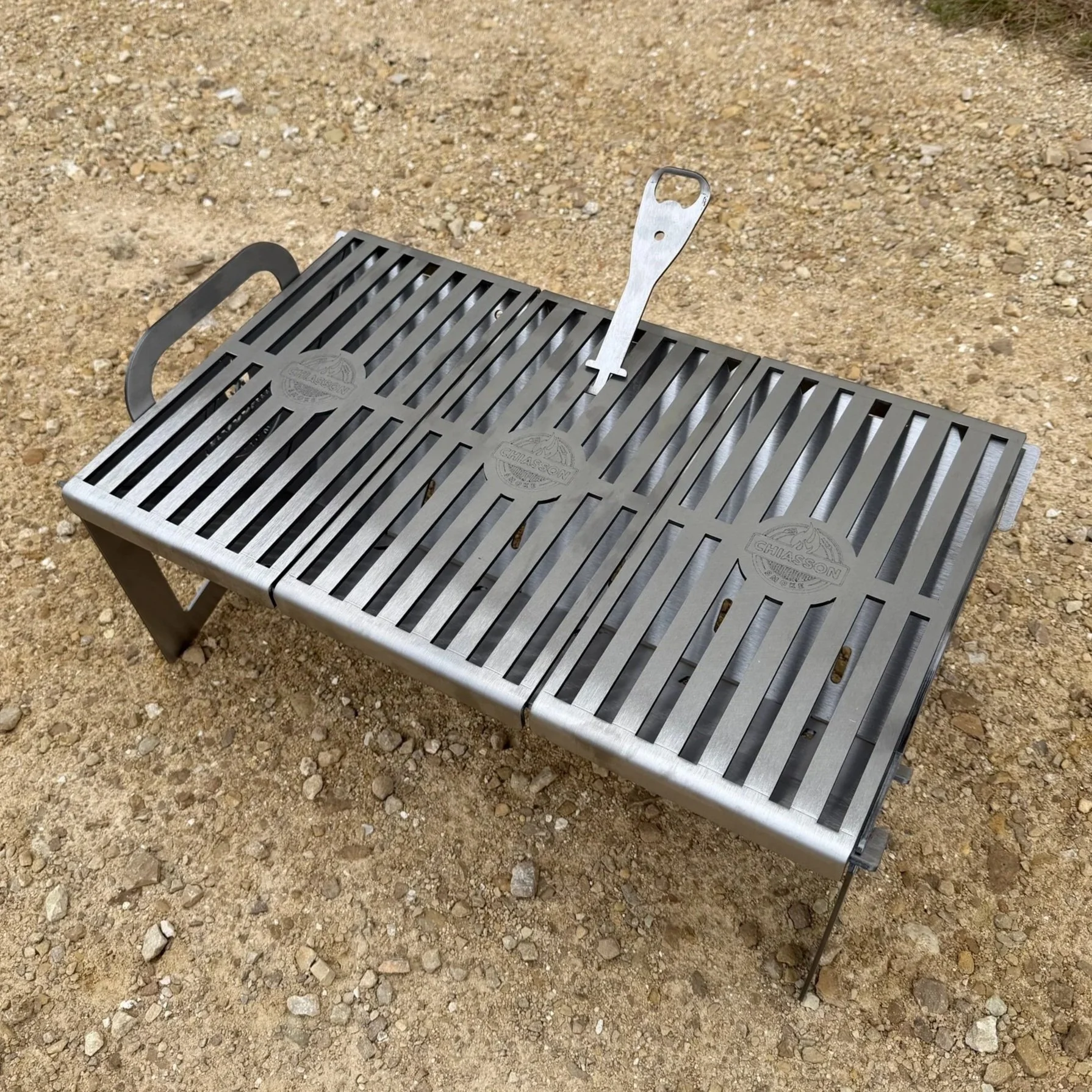
Aluminum foil is one of the most useful tools for grate free grilling. Thick foil can handle heat and shape easily.
You can make a foil tray by folding up the edges of a large sheet. This works well for vegetables, sliced meat, or anything that might fall apart. Punch a few small holes in the bottom if you want some smoke to get in.
Another option is a foil sling. Lay down two layers of foil and place food in the center. Fold the edges just enough to hold everything together. Lay the foil directly over the heat, supported by bricks or stones if needed.
You can even wrap your food in foil before cooking, rather than using it to make a cooking sheet.
Foil is great because cleanup is easy. When you are done, let it cool and throw it away. Just be sure the foil does not touch open flames for too long, or it may tear.
Skewers and Sticks
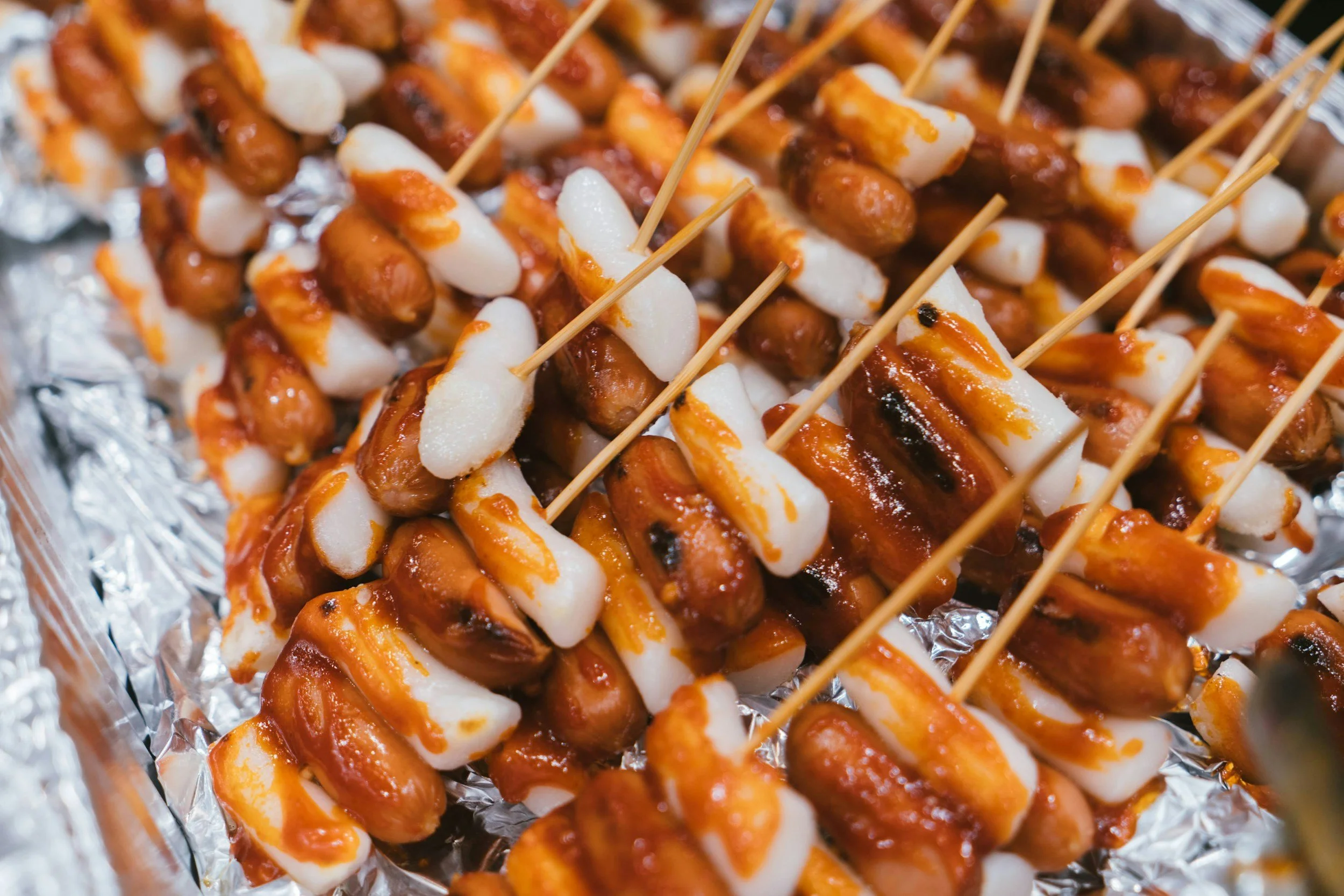
Skewers are like tiny grates you hold in your hand. If you have metal skewers, you are already set. If not, wooden sticks can work too.
Use thick sticks from hardwood trees. Avoid anything green or sticky. Strip off bark and soak the sticks in water for at least thirty minutes. This helps prevent burning.
Thread meat, vegetables, or fruit onto the skewers. Hold them over the heat or rest the ends on bricks or rocks so the food hangs above the fire.
This method gives you great control. You can turn food quickly and move it away from flare ups. It also feels very hands on, which makes cooking more fun. As a bonus, there are plenty of tasty skewer recipes you can find online!
Flat Stones as a Natural Grill
Stone cooking is ancient and effective. The key is choosing the right stones.
Use flat stones that are dry and solid. Avoid river rocks or anything that looks layered or cracked. Wet stones can crack or explode when heated.
Place the stones near the fire first to warm them slowly. Once hot, arrange them over the coals to make a flat surface. Brush with oil before adding food.
Stone works best for burgers, fish, and flatbreads. It gives a steady heat and a light sear. Food will not have grill marks, but the flavor is still there.
When you are done, let the stones cool completely before moving them.
Cast Iron
If you have cast iron, you can grill without a grate easily. A cast iron pan, skillet, or griddle can sit right over coals or on the edges of a fire.
Cast iron holds heat well and creates a strong sear. It is perfect for steaks, burgers, and vegetables. You can even flip the pan upside down and use the bottom as a flat cooking surface.
The downside is weight and heat. Cast iron gets very hot and stays hot. Use gloves and be careful when moving it.
The upside is flavor. Cast iron gives food a deep, rich crust that is hard to beat.
Baking Sheet or Metal Tray
A sturdy metal baking sheet can work in a pinch. Use one without nonstick coating. Coated pans can release fumes at high heat.
Place the sheet on bricks, stones, or the edge of the grill so it sits above the coals. Lightly oil the surface and add food.
This works well for thin foods like shrimp, sliced vegetables, and flat meats. It also keeps small pieces from falling into the fire.
Watch the heat closely. Thin metal heats fast and can burn food if left alone.


Wood Planks for Flavor and Support
Cooking on wood planks is popular for fish, but it works for other foods too. Cedar is common, but other untreated hardwoods work as well.
Soak the plank in water for at least one hour. This slows burning and adds steam. Place the plank over indirect heat if possible.
Lay food on the plank and close the lid if you have one. The wood smolders and adds smoke flavor while acting as a cooking surface.
This method is gentle and slow. It is great for fish, chicken, and vegetables that benefit from moisture.
Controlling Heat Without a Grate
Without a grate, heat control matters even more. You control heat by moving food, not by turning a knob.
Create hot and cool zones by piling coals on one side. Move food closer for more heat and farther away for less.
Raise food higher using bricks, stones, or stacked wood that is not treated. Lower food closer to coals for faster cooking.
Pay attention to sound and smell. If food is sizzling gently, you are doing well. If it is roaring and smoking hard, pull it back.
Common Mistakes to Avoid
Grilling without a grate is simple, but a few mistakes can ruin the experience.
Do not rush. Many of these methods cook slower than a grate. Give food time.
Do not overload your surface. Too much food traps heat and causes steaming instead of searing.
Do not forget oil. Most surfaces need a light coat to prevent sticking.
And do not walk away. Fire demands attention.
Simple Foods That Shine Without a Grate
Some foods seem made for grate free grilling.
Whole fish wrapped in foil with lemon and herbs turn tender and smoky.
Flatbreads cook beautifully on stone or metal and puff up with charred spots.
Vegetables cooked on foil or cast iron get sweet and crisp.
Even fruit like pineapple and peaches can grill well on a pan or plank.
You may find that these foods taste better without a grate than with one.
Final Thoughts on Grate Free Grilling
A missing grate does not mean the end of grilling. It means a new way to cook.
With foil, stones, cast iron, wood, and a little creativity, you can make food that is just as good as anything cooked on a standard grill. Sometimes it is even better.
The next time your grate is gone or broken, do not panic. Light the fire anyway. Try one of these methods. Trust your senses.
Fire has been cooking food for humans far longer than metal grates have existed. You are just joining that long tradition, one smoky meal at a time.
